 Field

Understanding the North Carolina Deer Rut
The North Carolina deer rut is a magical time for hunters in the Piedmont. As November rolls in, the whitetail bucks become more active, driven by the primal urge to breed. For those who've spent time in the Carolina woods, this period is akin to a symphony of nature's finest performances, where each player knows their part. The air is crisp, and the woods are alive with movement. Hunters who understand the behavior of deer during this time find themselves at a distinct advantage.
How the Rut Changes Deer Behavior
During the rut, bucks that are usually solitary creatures become more visible. They cover more ground, often leaving their usual territories in search of receptive does. This increased movement means that hunters have a better chance of spotting these elusive animals. In the Piedmont, where the landscape is a mix of rolling hills, hardwood forests, and open fields, these movements become predictable patterns if you know what to look for.
Early mornings and late afternoons are prime times to catch a glimpse of a buck on the move. The key is to understand their routes and habits. Bucks will often follow natural corridors, using creek bottoms and ridgelines as highways to move between feeding and bedding areas. Knowing these routes can make the difference in successfully harvesting a whitetail during the rut.
Scouting and Setting Up for Success
Scouting is crucial if you're serious about taking advantage of the North Carolina deer rut. Spend time in the pre-rut period identifying deer sign. Look for rubs and scrapes, which are clear indicators of buck activity. These signs not only tell you where bucks have been but can also hint at where they're going. Setting up a stand near these areas can increase your chances of success.
In the Piedmont, the landscape offers numerous options for stand placement. Whether you're setting up near a food plot or along a creek bottom, ensure your location provides both cover and a clear view of deer movement corridors. Patience is key. The rut can be unpredictable, but remaining vigilant and ready can reward you with a shot at a mature buck.
Choosing the Right Gear for the Rut
When it comes to gear, every hunter has their preferences, but there are a few essentials that can improve your chances during the rut. Quality optics are a must. A good set of binoculars helps spot distant movement and identify bucks worth pursuing. Scent control is another critical factor. With bucks on high alert, minimizing human scent can prevent spooking deer before you even see them.
- Rifle or bow with preferred optics
- Scent control gear
- Layered clothing suitable for fluctuating November temperatures
- Reliable stand or blind
Additionally, using calls like grunts or rattles can entice curious bucks closer to your location. These calls mimic the sounds of other deer, sparking the competitive nature of bucks during the rut.
Bringing the Outdoors In: Rut Wall Art
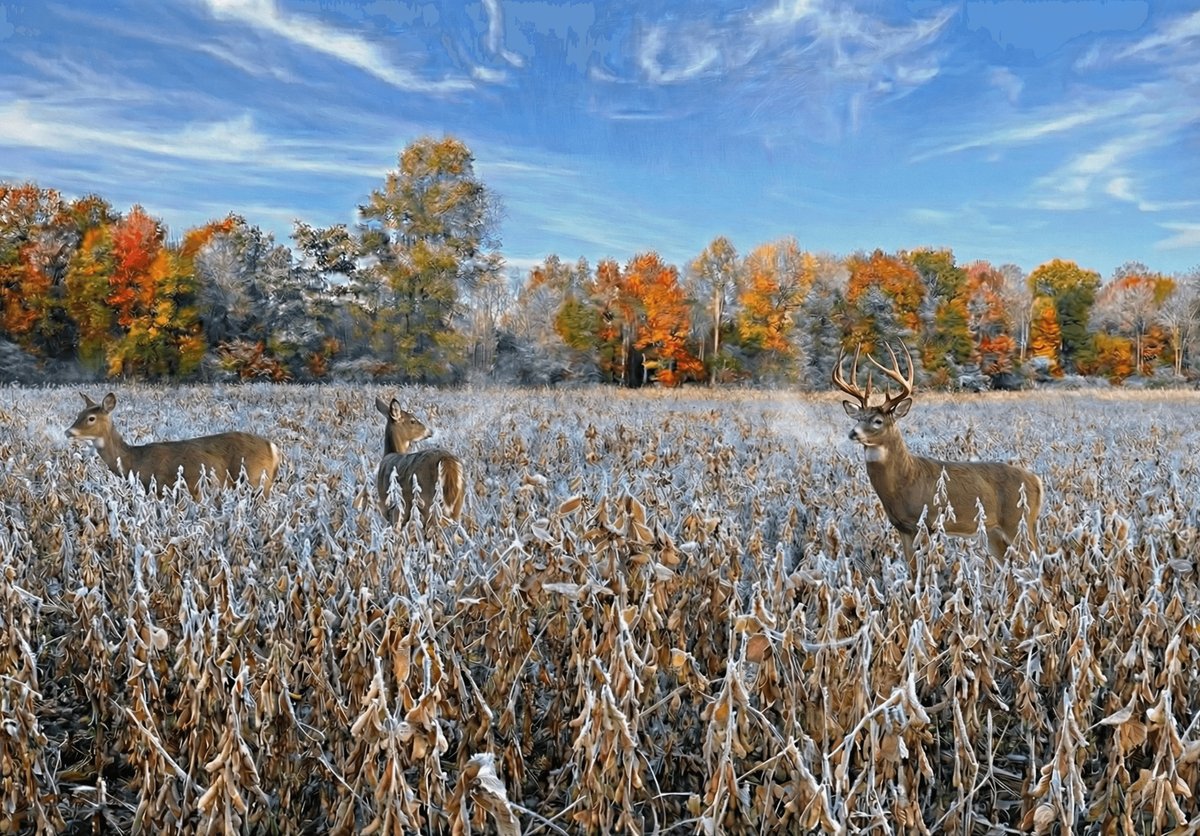
For those who live and breathe hunting, bringing a piece of that experience home is a natural extension of the passion. Our "Sweet November Breakout" canvas captures the essence of the rut with a stunning portrayal of a buck in his element. This piece is perfect for any hunter looking to keep the spirit of the hunt alive in their home. You can find it in our whitetail deer collection.
Adding artwork like this to your home not only showcases your love for the outdoors but also serves as a constant reminder of those perfect November days in the Piedmont.
Timing is Everything: When to Hunt the Rut
Understanding the timing of the rut is crucial for maximizing your hunting efforts. While the peak of the rut in North Carolina usually occurs in mid-November, the pre-rut and post-rut periods can also be productive. During the pre-rut, bucks begin to establish dominance, which means they're more likely to respond to calls and scents. As the rut progresses, bucks become less cautious, increasing their chances of making mistakes that hunters can capitalize on.
Post-rut hunting can still yield results, especially as bucks start to recuperate from the breeding season. They return to more predictable patterns, focusing on feeding heavily to regain lost energy. For hunters, this means a shift in strategy—focus on food sources and areas where bucks might rest and replenish.
Weather and Its Impact on Rut Activity
Weather plays a significant role in deer movement during the rut. Cold fronts can trigger increased activity, as deer move to feed ahead of incoming weather changes. On the other hand, unseasonably warm weather can slow down daytime movement, pushing deer activity to cooler morning and evening hours.
Rainy or windy conditions might discourage deer from moving as much, but they also provide cover for hunters to move more freely. Understanding how different weather conditions affect deer behavior allows hunters to adapt their strategies accordingly, making the most of each hunting day.
The Best Spots in the Piedmont for Whitetail Hunting
The Piedmont region is diverse, offering hunters a variety of terrains to explore. From the dense hardwoods to the sprawling fields, each area presents its unique challenges and opportunities. Public lands like Uwharrie National Forest provide excellent hunting grounds, with acres of dense cover and open feeding areas.
Private lands, often managed with food plots and selective harvesting, can also offer exceptional opportunities, especially during the rut. Building relationships with local landowners or joining a hunting club can open up access to these fruitful areas.
In either setting, understanding the local deer population and their habits is key. Spend time before the season gathering intel and familiarizing yourself with the land. This groundwork can pay dividends once the rut kicks into high gear.
FAQ: Common Questions About Hunting the Rut
When is the peak of the North Carolina deer rut?
Typically, the peak of the rut in North Carolina occurs in mid-November. However, pre-rut activity can start as early as late October, with post-rut extending into December.
How can I tell if a buck is in rut?
Look for increased daytime movement, aggressive behavior, and signs like fresh rubs and scrapes. Bucks in rut are often seen pursuing does or responding to calls more readily.
What are the best calls to use during the rut?
Grunt calls and rattling antlers are effective during the rut. They mimic the sounds of rival bucks and can draw in competitive males looking to defend their territory.
Whether you're a seasoned hunter or a newcomer to the woods, understanding the North Carolina deer rut is essential for a successful hunt. This time of year offers some of the best opportunities to harvest a mature buck. To see how you can bring the beauty of the rut into your home, explore our full collection of wildlife prints.