 Field
Field 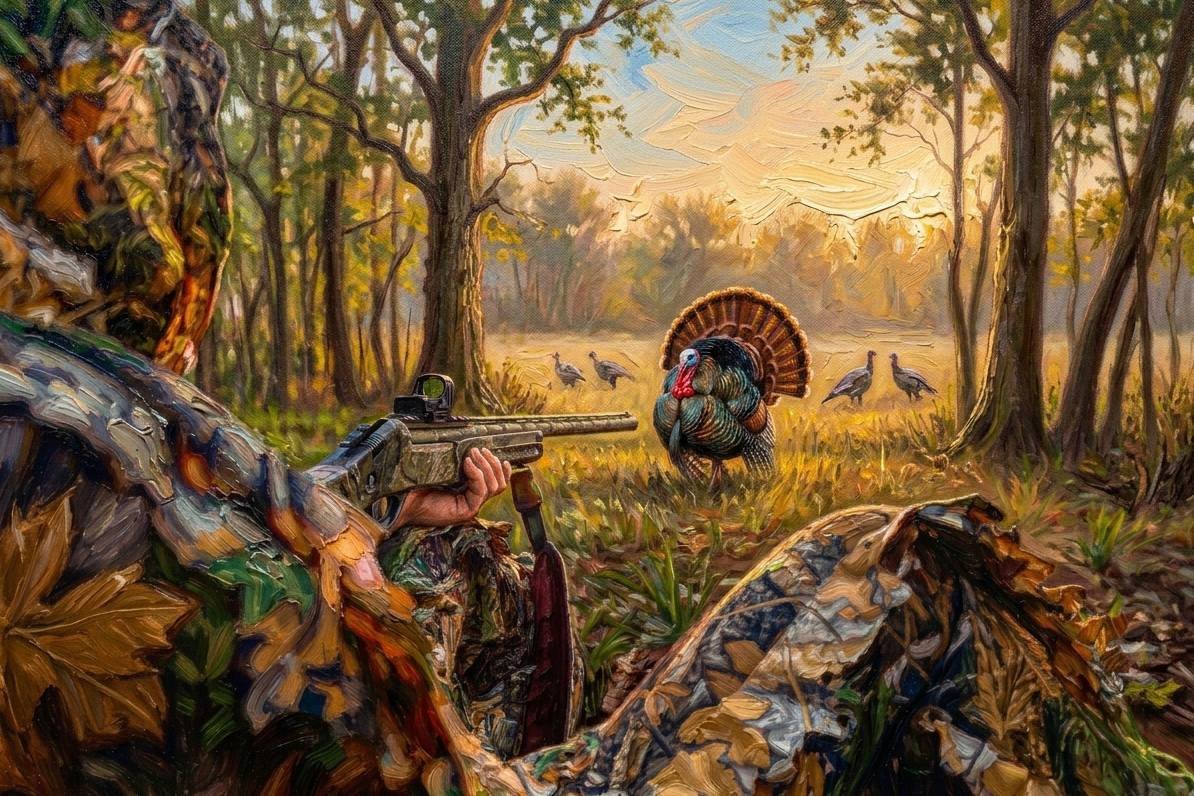
Understanding the Terrain
When it comes to successful turkey hunting, knowing the lay of the land is everything. Turkey scouting tips begin with understanding your terrain. In the Carolina Piedmont, rolling hills and dense hardwoods create a perfect backdrop for gobblers to strut their stuff. You want to locate those ridges and creek bottoms where turkeys roost and feed. Spend time walking the land in the off-season, noting locations of acorn-rich oak trees and water sources. A good hunter reads the land like a well-worn map.
Identifying Key Areas
Once you've got a feel for the terrain, the next step is pinpointing prime locations for a gobbler hunting setup. Pay attention to strut zones—those open areas where gobblers fan out and display. These are often grassy fields or logging roads where hens are likely to gather. Mark these spots on your GPS or take mental notes. The key is to set up where the birds want to be, not where you want them to be.
Timing and Patience
Timing your hunt is as crucial as choosing the right spot. Early spring mornings, when the dew is still fresh on the ground, are ideal for hearing that first gobble. But patience is your best companion in the turkey woods. Sometimes it takes hours of sitting still, waiting for the right moment. This patience is beautifully captured in our "Moment of Truth" canvas. It depicts that split second when everything comes together, and the hunt's artistry is revealed.
Calling Strategies
Calling is both an art and a science. You want to mimic the sounds of a hen, without overdoing it. Soft yelps and clucks can bring a gobbler right to your setup. However, too much calling can alert the turkey to your presence. Practice your calls in the months leading up to the season. Get a feel for the rhythm and cadence that turkeys respond to in your area. This is where experience and practice pay off.
Understanding Turkey Behavior
To truly master turkey hunting, you need to understand the behavior and habits of these elusive birds. Gobblers are creatures of habit, often following the same routes and routines each day. Observing their behavior during different times of the day and in various weather conditions can give you valuable insights. During the breeding season, gobblers will be more vocal and active, making it easier to locate them. However, they can also be more unpredictable, so flexibility is key.
Gear and Setup
Having the right gear can make a big difference in your turkey hunting success. A good blind and a comfortable chair can keep you concealed and steady for those long sits. Wear camo that matches the environment, and don't forget a decoy to draw in that curious gobbler. Your shotgun should be patterned for turkey loads, ensuring you know exactly where your shot will land. A reliable call, whether it's a box, slate, or diaphragm, should be part of your kit, giving you the flexibility to adapt to different situations.
Learning from the Hunt
Every hunt is an opportunity to learn. Whether you bag a bird or not, there's always something to take away. Reflecting on what went right and what didn't is part of the process. Did you set up in the right spot? Did your calls work? Were you patient enough? The answers to these questions will guide your future hunts and enrich your understanding of gobblers and the art they inspire.
Inspiring Your Space
For those who live and breathe hunting, bringing a piece of the outdoors inside can keep the spirit alive all year round. Our spring turkey decor captures the beauty and elegance of these birds in their natural habitat. From prints like "Moment of Truth" to other wild turkey art, these pieces remind us of the hunt's excitement and the quiet moments of anticipation.
FAQs
- What's the best time of day for turkey scouting?
Early morning and late afternoon are best for scouting. Turkeys are most active during these times.
- How can I improve my calling technique?
Practice regularly and listen to recordings of real turkey calls. Try different calls to see what works best in your area.
- What should I look for in a turkey hunting location?
Look for signs of turkeys such as tracks, droppings, and feathers. Strut zones and feeding areas are key.
Embrace the art and craft of turkey hunting. Consider adorning your space with pieces that remind you of the field. Explore our full collection of prints for inspiration.